The Road Built This: Why the Bands Who Toured Hard Outlasted Everyone Who Chased the Algorithm
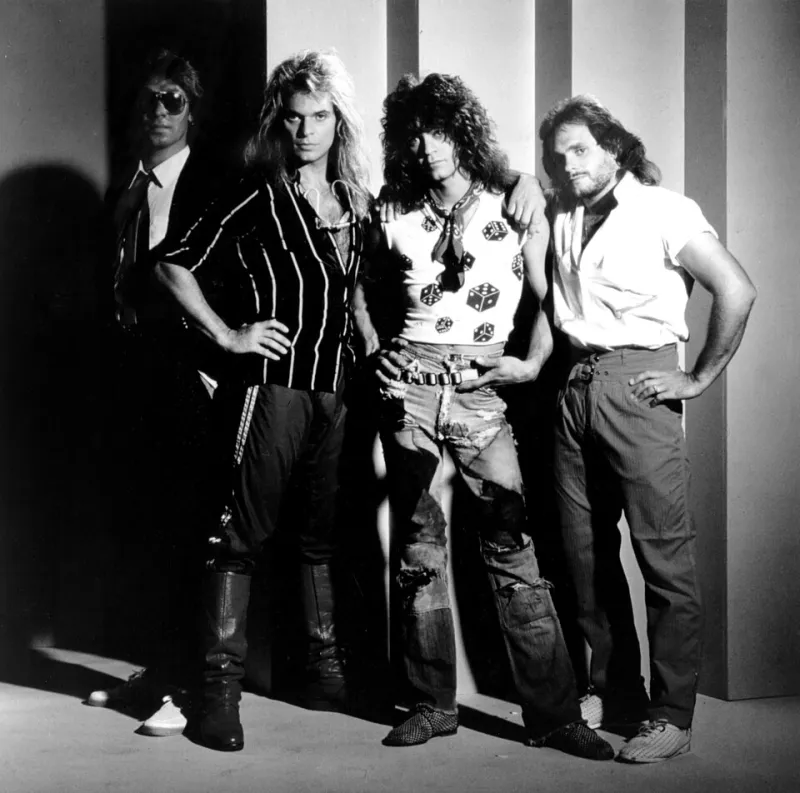
Photo: Warner Records, Public domain, via Wikimedia Commons
Let's talk about the van.
Not the romanticized version from the documentaries — the one where everyone's laughing and the scenery is beautiful and the hardship is charming in retrospect. The actual van. The one that smells like fast food and gear sweat, that breaks down outside of Tulsa at midnight, that has a check engine light that's been on since Indianapolis and will probably stay on until someone finally deals with it in Phoenix.
The bands that lived in that van — really lived in it, month after month, year after year — built something that no social media strategy has ever successfully replicated. They built relationships. And relationships, it turns out, are a hell of a lot more durable than followers.
What the Algorithm Actually Gives You
Here's what streaming platforms and social media algorithms are genuinely good at: discovery. If your music lands in the right playlist or gets pushed by the right recommendation engine, you can go from unknown to millions of plays in a matter of weeks. That's real, and it's genuinely useful for a certain phase of a career.
Here's what they're terrible at: retention. The same algorithm that surfaced you can bury you just as fast. A platform update, a shift in recommendation priorities, a change in the way engagement is weighted — any of these can cut your visibility in half overnight, and you have zero input into any of it. The audience you built on someone else's platform belongs, in a very real sense, to that platform. The day the platform decides you're less useful to its engagement model, you find out how much of that audience was actually yours.
Bands have been learning this lesson the hard way for over a decade now. The ones who diversified early — who kept touring, kept building mailing lists, kept showing up in person — have generally come through the various platform upheavals intact. The ones who went all-in on a single digital channel have had a rougher time.
The Mailing List Is Still the Most Valuable Thing in the Room
This is going to sound like advice from 2009, but it's more relevant now than it's ever been: the email list is the most resilient direct line a band has to its audience.
You own it. Nobody can take it away. No algorithm decides which of your subscribers sees your message. When you announce a tour date or a new record or a merch drop to your mailing list, every person on that list has the option to see it — which is more than you can say for a social media post that might reach four percent of your followers on a good day.
The bands that figured this out early — and a lot of the more DIY-minded rock acts were among the first — built infrastructure that has survived every platform change, every streaming revolution, every shift in how people consume music online. They didn't have the biggest social followings. They had the most direct access to the people who actually cared.
The Touring Circuit as Career Architecture
There's a specific geography to how rock careers get built on the road, and it's worth understanding because it's genuinely architectural. It's not random.
A band starting out works a regional circuit — a cluster of cities within driving distance that they can hit regularly enough to build a local following in each. Once those rooms are reliable, they expand the circuit. New cities, new markets, new rooms to fill. Each expansion is funded by the stability of the existing circuit, and each new city eventually becomes part of the reliable base.
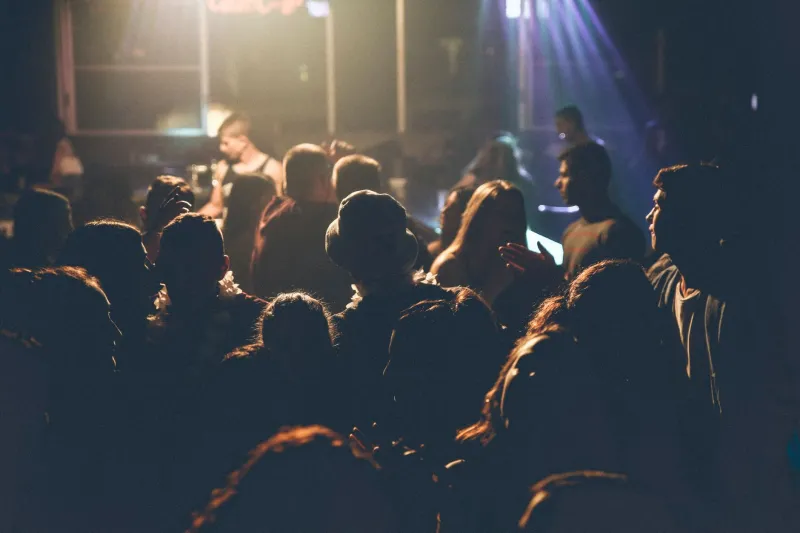
Done consistently over years, this creates something extraordinary: a national network of audiences who have seen the band live, who have a personal memory attached to the music, who know what it feels like to be in a room when the band is on. That experiential connection is categorically different from streaming a record. It's physical and it's specific and it's very, very hard to replicate digitally.
Bands like Widespread Panic built entire careers on this model, never cracking the mainstream in any conventional sense but consistently selling out venues through a touring circuit that they've maintained for decades. The Grateful Dead essentially invented the template. Phish refined it. Plenty of rock acts have run versions of it, and the ones who committed to it fully are still out there working.
Direct Communication as Competitive Advantage
One of the less-discussed advantages of the old-school touring and fan club model is what it does to communication. When a band is in direct contact with its fanbase — through newsletters, through the merch table after the show, through the kind of genuine interaction that happens when you're playing small rooms and the audience is ten feet away — the feedback loop is immediate and honest.
You know what's landing. You know what songs the crowd responds to before the record even comes out. You know which markets are growing and which ones need more attention. You know your audience as actual human beings rather than demographic data points.
That knowledge shapes better decisions. The bands that stay close to their audiences make records and tours that speak directly to them, because they actually know who they're speaking to. The bands that manage their careers entirely through analytics are always working from a delay — by the time the data tells you something, the moment has often already passed.
The Merch Table as Community Center
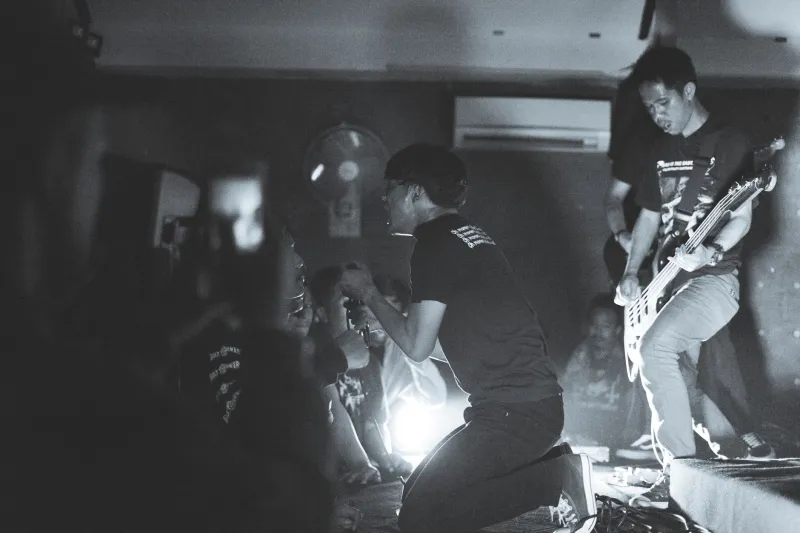
Anybody who's spent time on the road knows that the merch table after a show is one of the most underrated spaces in music. It's where the transaction between band and audience becomes a conversation. It's where the person who drove three hours to see you finds out you're a real human being, and where you find out that your music meant something specific and personal to someone you've never met.
That exchange is not scalable in the Silicon Valley sense. You can't automate it or optimize it or run it at a thousand shows simultaneously. But it compounds in exactly the way that authenticity compounds — slowly, person by person, until you look up and realize you've built something that no platform change can touch.
The bands who've made peace with that pace — who've accepted that building something real takes longer than building something viral — are the ones who tend to still be out there fifteen years in, playing rooms that are maybe not bigger but are definitely full, for audiences that aren't going anywhere.
The Road Doesn't Lie
Here's the thing about touring that nobody who hasn't done it really understands: it's the most honest metric in music. The algorithm can be gamed. Streams can be inflated. Followers can be bought. But you cannot fake a full room. You cannot manufacture the energy of a crowd that drove an hour to be there and is singing back every word.
The bands that built on the road built on something real. And real, as it turns out, has remarkable staying power.
Get in the van.