From the Pit to the Mall: How Rock's Dark Visual Language Conquered American Style
From the Pit to the Mall: How Rock's Dark Visual Language Conquered American Style
There's a certain kind of irony that hits you when you're standing in a suburban Target and you spot a rack of skull-print hoodies next to the school supplies. The same imagery that once made parents nervous — the crossbones, the black leather, the deliberately menacing silhouette — is now folded neatly between seasonal throw pillows and yoga pants. Rock's villainous aesthetic didn't just leak into American fashion. It flooded the place, and it's not leaving anytime soon.
The question worth asking, especially for those of us who've built our whole identity around the darker, louder end of the cultural spectrum, is this: is that a win or a sellout?
Where It All Started (And It Wasn't Pretty)
The look we're talking about didn't arrive fully formed on a runway. It was born in grimy clubs, rehearsal spaces that smelled like cigarettes and busted amplifiers, and the wardrobes of people who genuinely had nothing to lose. Early rock 'n' roll had an edge to it that mainstream America found genuinely threatening — not in a performative way, but in a call-your-congressman kind of way.
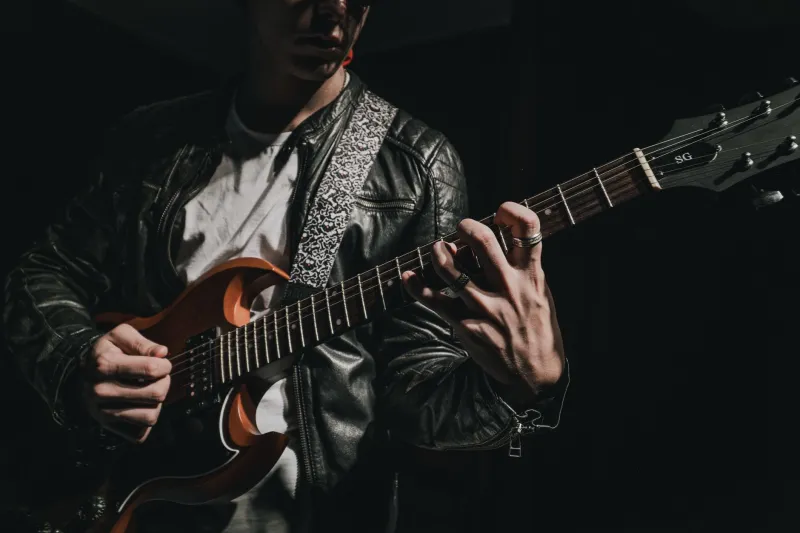
By the time glam rock and punk started pushing the envelope in the '70s, the aesthetic had crystallized into something recognizable. Leather jackets with hardware. Ripped fabric. Dark eye makeup on men. Band tees worn like armor. These weren't fashion statements in the glossy magazine sense — they were declarations of allegiance to something outside the norm. The visual language of rock's bad guys said, without a single word: I am not like you, and I'm not trying to be.
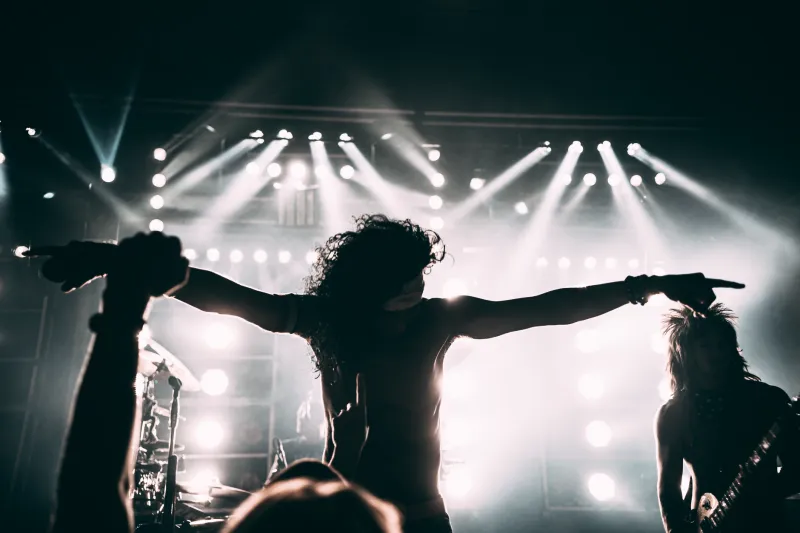
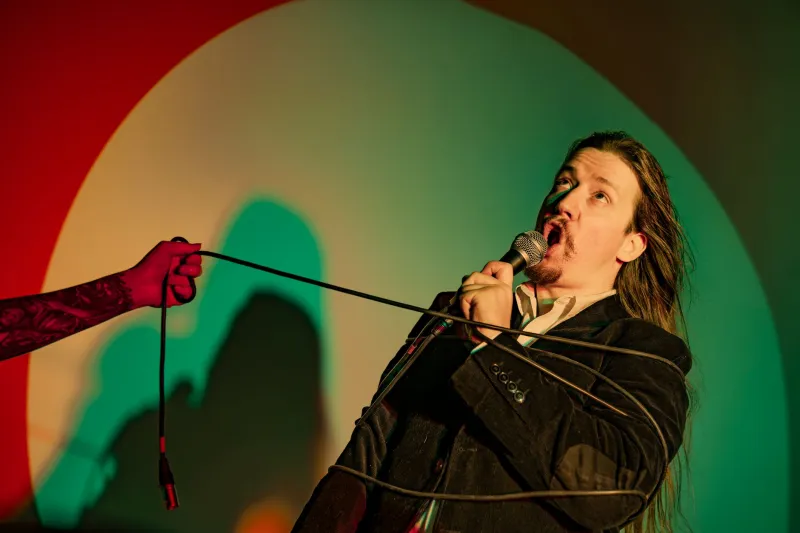
Bands like KISS turned the villain aesthetic into full-blown theater. Alice Cooper made it gothic and grand. Later, acts like Mötley Crüe weaponized it with sex and excess. Each wave pushed the darkness a little further into the spotlight, daring mainstream America to look away — and mainstream America, predictably, could not.
The Tipping Point: When Dark Went Demographic
The real turning point came sometime in the late '80s and early '90s, when the music industry figured out that the rebellious look was actually incredibly marketable. Guns N' Roses made ripped denim and bandanas aspirational. Nirvana made thrift-store grunge into a fashion moment that designers immediately tried to replicate — at ten times the price. The aesthetic was being absorbed faster than subcultures could generate it.
By the time Hot Topic opened its first stores in American malls in the late '80s, the transaction was complete. The dark, studded, skull-heavy visual vocabulary of rock had its own retail infrastructure. And while Hot Topic became an easy punchline for purists, it also introduced an entire generation of American teenagers to an aesthetic they genuinely connected with — kids in suburbs who'd never been to a real underground show but felt the pull of something louder and darker than what their parents approved of.
That's not nothing. That's actually kind of the whole point of rock, if you think about it.
High Fashion Catches the Bug
Here's where things get genuinely strange. At some point, the villain aesthetic stopped being a mall phenomenon and started showing up on actual runways. Alexander McQueen, Givenchy, Saint Laurent — major fashion houses began pulling directly from rock's dark visual well. Skull motifs, leather harnesses, band-inspired graphics, and deliberately aggressive silhouettes started appearing in collections that cost more than most touring bands make in a month.
In America, the crossover hit differently. Brands like AllSaints built their entire identity around a rock-adjacent darkness. Retail giants started carrying leather-look jackets and band tees — sometimes officially licensed, sometimes just vibing in that general direction. By the 2010s, the "rock look" had become a legitimate segment of the American fashion market, generating revenue that would've seemed absurd to the people who pioneered it.
And look, there's something almost poetic about a visual language invented by outsiders becoming so desirable that the wealthiest players in the fashion industry came knocking. Rock always had a certain cool that money couldn't manufacture from scratch — it had to borrow it.
The Uncomfortable Question
But here's where we have to be honest with ourselves. When an aesthetic gets fully absorbed by the mainstream, something changes. It's not always fatal, but it's real. The studded jacket that once signaled genuine outsider status now signals "I shopped at a mid-range department store." The skull motif that once carried a whiff of danger now appears on baby onesies. The dark eyeliner that once made parents uncomfortable is now a TikTok tutorial.
Does that mean the rebellious soul of rock's villain aesthetic is dead? Not necessarily. But it does mean the visual shorthand has been diluted. When everyone wears the uniform, the uniform stops meaning what it used to. The people who actually live inside rock's world — the ones playing the shows, building the community, carrying the culture forward — have always known this. They adapt. The aesthetic evolves. New signals emerge. The underground finds new ways to look like itself before the mainstream can catch up.
That's actually one of rock's most underrated superpowers: its ability to regenerate its own edge even as the surface layer gets commodified.
What It Means for the Culture Right Now
In 2024, the villain aesthetic is everywhere and nowhere at once. You can buy a "rock-inspired" look at virtually any price point in America. You can also find people doing something genuinely new and strange with the same raw materials — bands and artists pushing the darkness into territory that hasn't been mapped yet, building looks and sounds that the mainstream hasn't figured out how to package.
For a band like Vincent Vincent & The Villains, this tension is actually part of the DNA. The villainous aesthetic isn't just a costume — it's a commitment to the idea that rock's dark, defiant spirit is worth protecting even as the visuals get borrowed and resold. The leather jacket means something different when it's worn by someone who actually believes what it stands for.
So is rock's fashion takeover of America a triumph or a watering-down? Honestly, it's both. The mainstream borrowing from rock's visual language is a testament to how powerful that language always was. But the soul of it — the genuine refusal to play it safe, the willingness to look like a threat — that's not something you can stock on a shelf. You have to earn it.
And the villains always do.